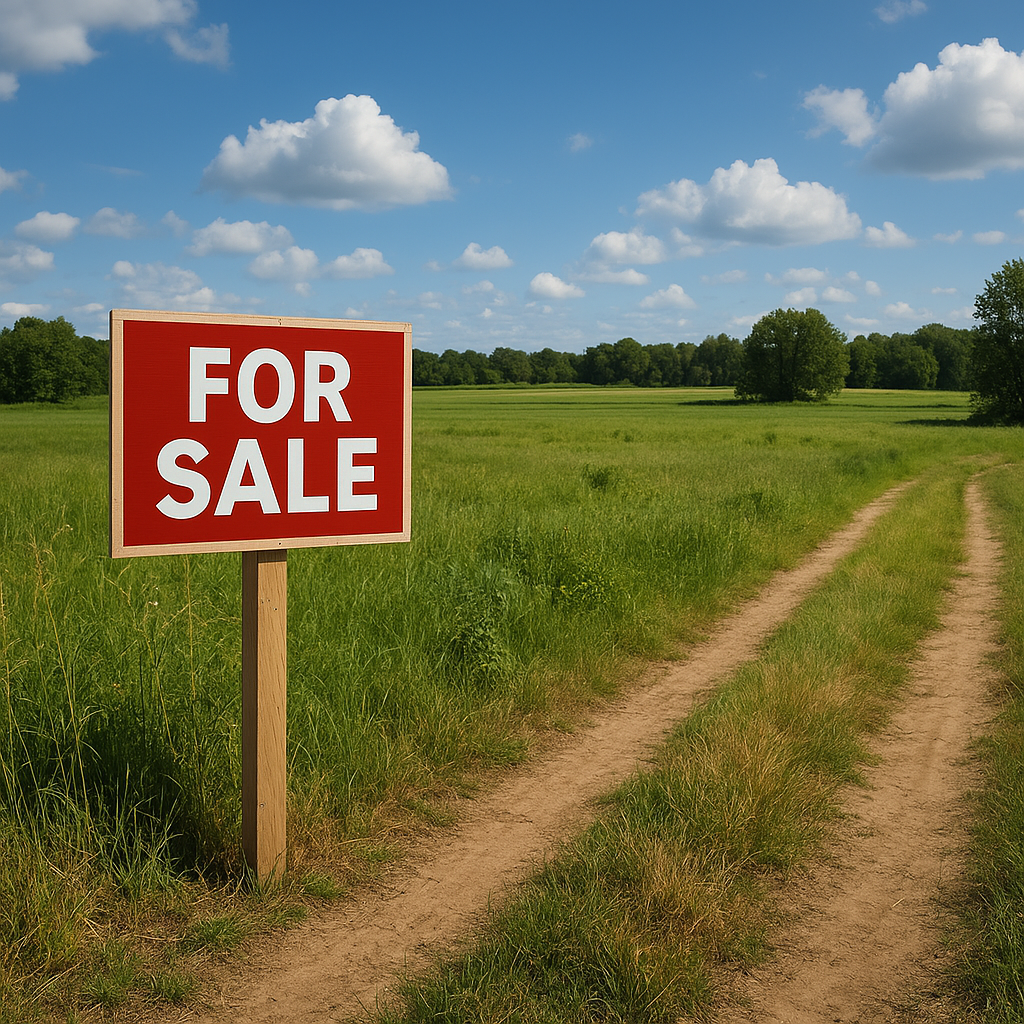
Buying land with no money down is possible in some situations, but purchasing property with absolutely no money or ongoing expenses is much more difficult. Some landowners offer seller financing with no down payment, while certain USDA programs provide up to 100% financing for eligible agricultural or residential projects. Other options include lease-to-own agreements and partnerships with investors. However, even zero-down land purchases can involve closing costs, property taxes, and monthly payments. Understanding the financing terms and legal risks is essential before committing to a purchase.
Can You Buy Land With No Money?
Buying land without savings usually means finding a way to finance the purchase price rather than obtaining property for free.
Traditional land loans often require a down payment because undeveloped land can be harder for lenders to evaluate and sell than an existing home.
However, buyers with limited savings may qualify for alternative financing or negotiate flexible payment arrangements directly with a seller.
It’s important to distinguish three situations:
- No money down: You finance the purchase without an initial down payment.
- Low down payment: You contribute a relatively small portion of the purchase price.
- Free land: You receive property without paying a purchase price, although taxes, development expenses, or other obligations may still apply.
Ways to Buy Land With Little or No Money Down
Several financing arrangements may make land ownership more accessible, depending on your intended use and financial situation.
Seller Financing (Owner Financing)
Seller financing allows the property owner to finance the purchase instead of requiring the buyer to obtain a conventional bank loan.
You make payments directly to the seller according to an agreed schedule. The contract establishes the interest rate, repayment period, and down payment.
Some sellers may accept zero down, but others require an upfront payment.
Before signing, verify when legal ownership transfers, whether a large final payment is required, and what happens if you miss payments.
Lease-to-Own Land Agreements
A lease-to-own agreement allows you to rent land with an option to purchase it later.
Depending on the contract, part of your rental payments may count toward the purchase price. However, some agreements require a separate upfront option fee.
Renting the land does not automatically make you its owner. Review the purchase deadline, option conditions, and consequences of failing to complete the transaction.
USDA Farm Ownership Loans
The USDA Farm Service Agency offers Farm Ownership Loans to eligible farmers and ranchers purchasing or expanding agricultural operations.
Some Direct Farm Ownership Loans can provide up to 100% financing for qualifying purchases.
Applicants must meet eligibility requirements involving farming experience, credit, repayment ability, and the intended agricultural use.
The separate Beginning Farmer Down Payment Program requires a minimum 5% contribution from the applicant.
These programs are intended for agricultural operations, not ordinary recreational land purchases. Check the USDA Farm Ownership Loan requirements before applying.
USDA Rural Housing Loans
USDA Rural Development offers housing loans with no down payment for eligible borrowers purchasing or building homes in qualifying rural areas.
In certain construction financing arrangements, the loan may cover an eligible building lot together with the construction of a primary residence.
However, these programs generally do not finance standalone purchases of vacant land without an eligible housing project.
Income, property location, occupancy, and lender requirements apply. Details are available through the USDA Single Family Housing Guaranteed Loan Program.
Buy Land With a Partner
Another option is purchasing property with a business partner, family member, or investor who contributes the required capital.
The arrangement may reduce your upfront financial responsibility, but ownership and future profits must be shared according to the agreement.
Use a written contract establishing ownership percentages, payment obligations, management responsibilities, and procedures for selling the property.
How to Find Land With No Down Payment
Finding a suitable property requires more than searching for inexpensive land.
- Define your purpose. Determine whether you want to build a home, operate a farm, or hold land as an investment.
- Search for owner financing. Look for listings advertising seller financing or flexible purchase terms.
- Contact landowners. Ask whether they would consider installments or a reduced down payment.
- Explore USDA eligibility. Investigate relevant programs if the property will support a qualifying farm or home.
- Compare total costs. Review interest rates, repayment terms, fees, and future obligations.
- Investigate the property. Verify ownership, legal access, zoning restrictions, and outstanding liens before signing.
Not every seller will accept a zero-down offer, particularly when the buyer has limited credit or financial resources.
What Costs Should You Expect When Buying Land?
Even without a down payment, land ownership involves expenses.
Possible costs include:
- Closing costs: Settlement fees, document preparation, and recording charges.
- Title search and insurance: Expenses associated with verifying ownership and protecting against certain title problems.
- Land survey: Identifying property boundaries and potential encroachments.
- Property taxes: Ongoing local taxes assessed on the land.
- Insurance: Coverage required by a lender or appropriate for the property’s risks.
- Utilities and access: Potential expenses for road access, electricity, water, and septic systems.
- Financing payments: Monthly installments and interest under the purchase agreement.
Some costs may be financed or negotiated with the seller, but this depends on the lender and transaction terms.
Risks of Buying Land With No Money Down
Zero-down financing can make a purchase easier initially while creating significant long-term obligations.
Important risks include high interest rates, balloon payments, building restrictions, inaccessible property, and undisclosed liens or unpaid taxes.
Be particularly careful with contracts for deed. Under some arrangements, the seller retains legal title until the buyer completes all required payments.
Depending on the contract and applicable law, defaulting may lead to loss of the property and previously paid money.
The Consumer Financial Protection Bureau’s guidance on contracts for deed explains important risks associated with this type of seller financing.
Before purchasing, confirm that the land can legally be used for your intended purpose and that you have enforceable access rights. Have a qualified real estate attorney or title professional review the documents, especially when financing directly through a seller.
Ultimately, buying land with no money down is possible through certain financing arrangements, but it is not the same as obtaining free property. The safest approach is to compare financing options, calculate ongoing expenses, and investigate the land and contract thoroughly before making a commitment.